

When parents search for tennis lessons, they are rarely just looking for a sport. They are searching for an environment. A place where their child can grow into themselves. Because tennis, like many youth sports, is not only about movement. It is about formation — physical, emotional, and psychological. Research consistently shows that sports participation helps children develop confidence, social skills, and resilience that extend far beyond the court.
Children learn through experience, not instruction
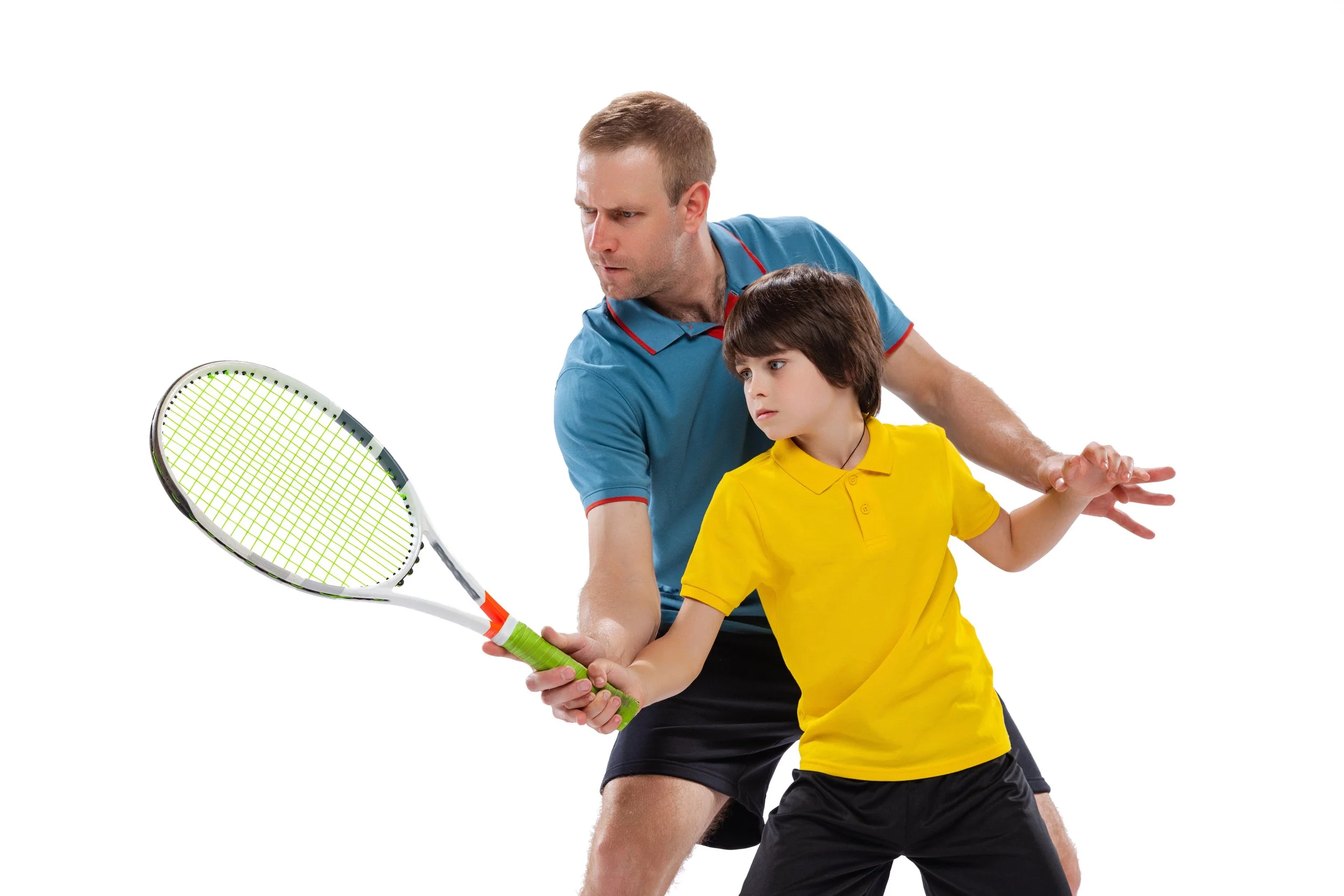
Adults often assume children learn through explanation.
But children learn through motion.
Through repetition.
Through joy.
Play itself is a central mechanism of childhood development, shaping imagination, coordination, and emotional strength.
When tennis becomes overly technical too early, something fragile can be lost - the natural curiosity that brings children back to the court.
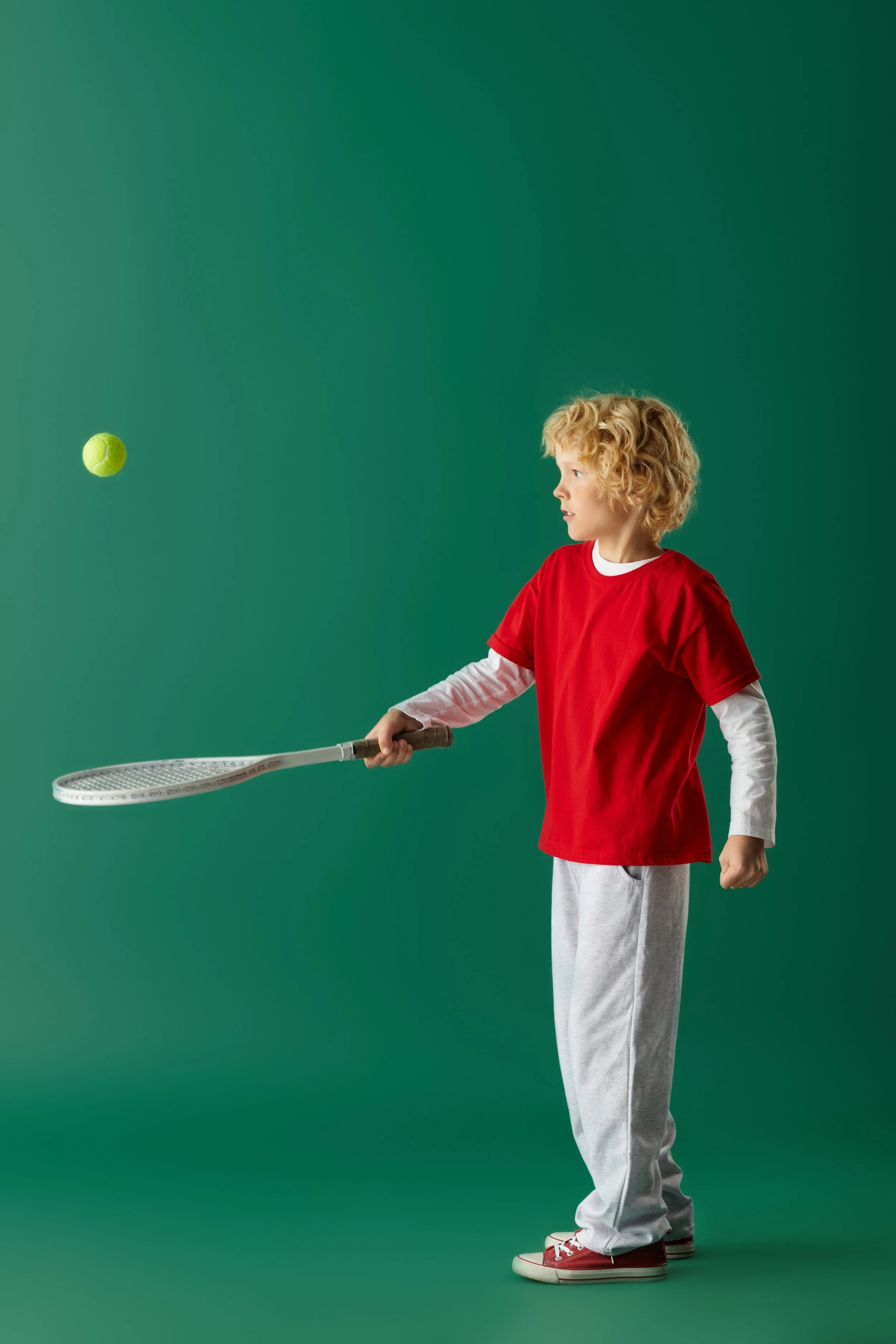
The most effective programs build fundamentals quietly:
Coordination
Rhythm
Confidence
Curiosity
Competition can come later.
Love for the game must come first.
Movement, repetition, and engagement
In many traditional lessons, children spend long periods waiting.
Waiting for instruction.
Waiting for their turn.
But skill acquisition in young athletes is strongly tied to repetition. When movements are repeated consistently, neural pathways strengthen, allowing skills to become automatic.
Children need activity.
They need the rhythm of continuous engagement.
They need contact with the ball, again and again.
That is how confidence grows — not from instruction alone, but from experience.
The coach as a builder of belief
A coach’s responsibility with children is often misunderstood.
Technique matters, but belief matters more.
Sport has long been associated with the development of life skills —
Discipline, empathy, and perseverance.
If a child leaves practice smiling, something essential has been achieved.
Not just technical progress, but emotional connection.
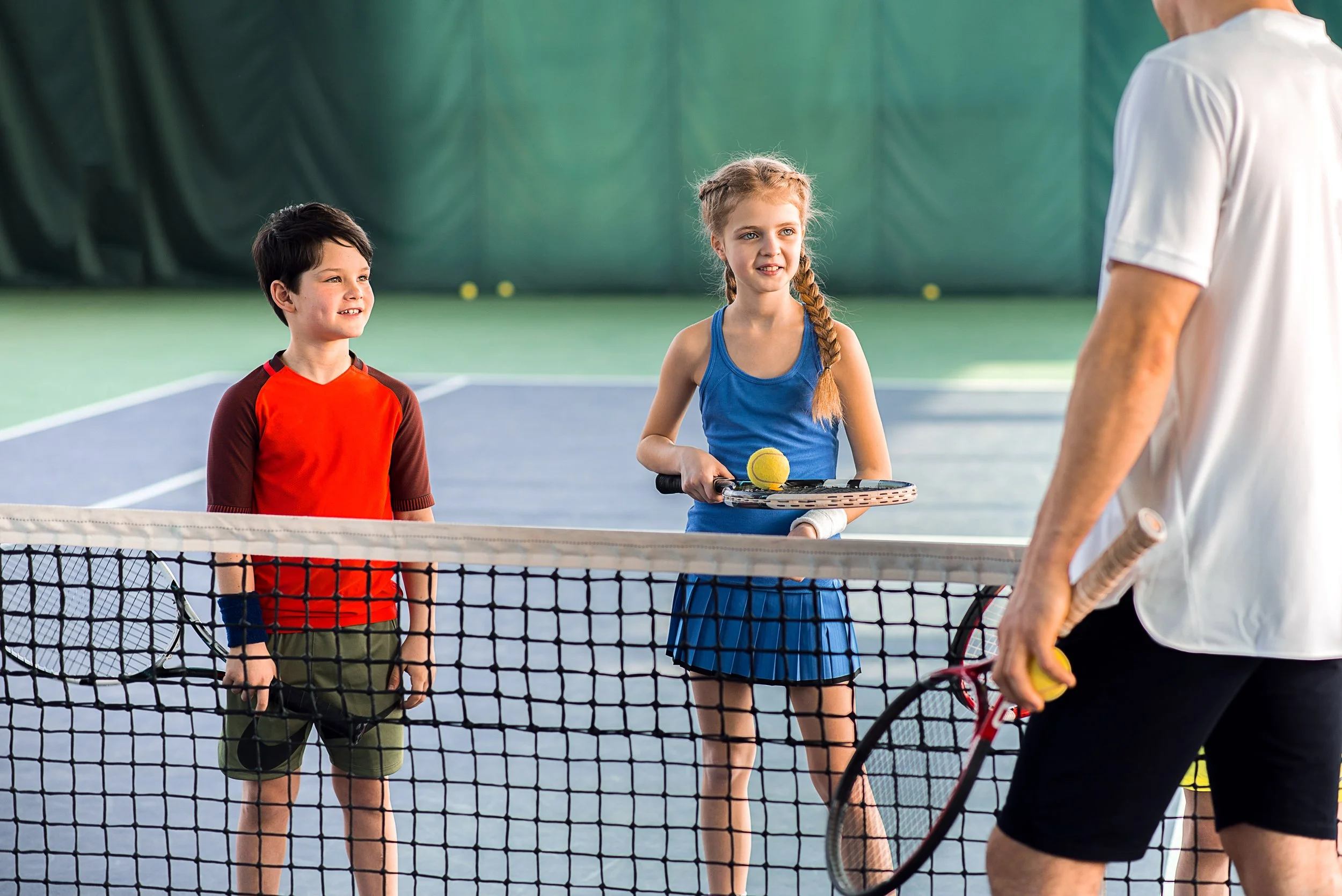
A long-term relationship with sport
Tennis, when introduced correctly, becomes a lifelong companion.
When introduced incorrectly, it can become a short-term performance.
Early experiences shape how children perceive effort, failure, and growth.
They shape whether sport becomes pressure or possibility.
In my view, tennis should feel like a long conversation with oneself, one that begins in childhood and continues quietly through life.
